Wave Sensor for Ocean and Coastal Wave Monitoring

Wave Sensor for Ocean and Coastal Wave Monitoring,
coastal wave measurement sensor, marine wave monitoring equipment, Oceanographic Wave Sensor, wave height sensor, Wave Period Sensor, wave sensor for ocean monitoring,
Wave Sensor 2.0
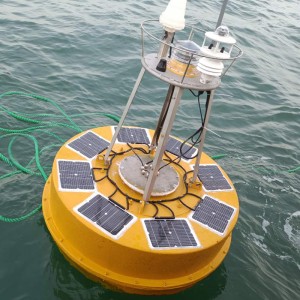
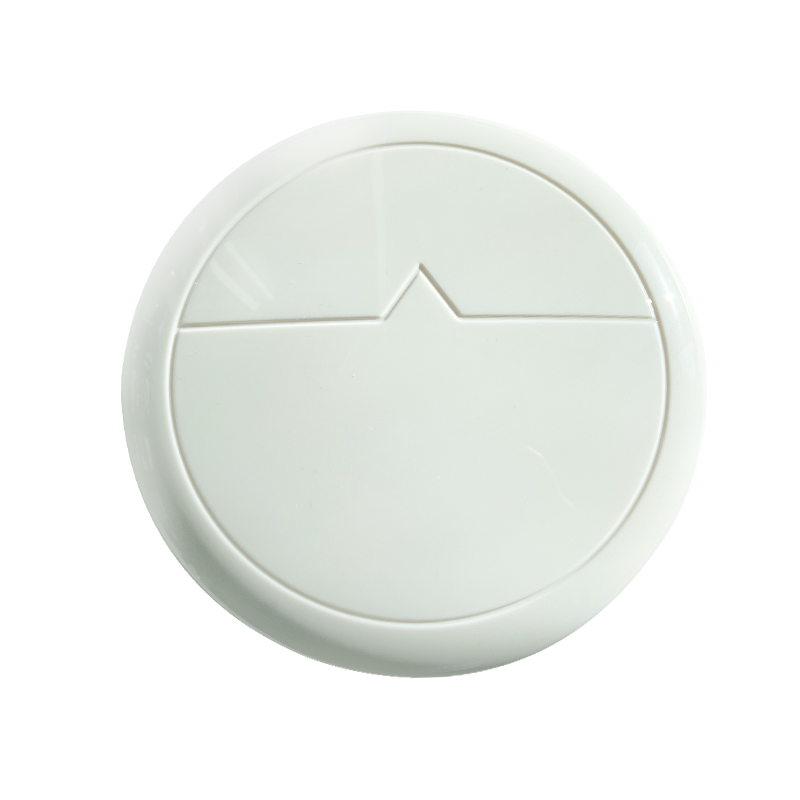
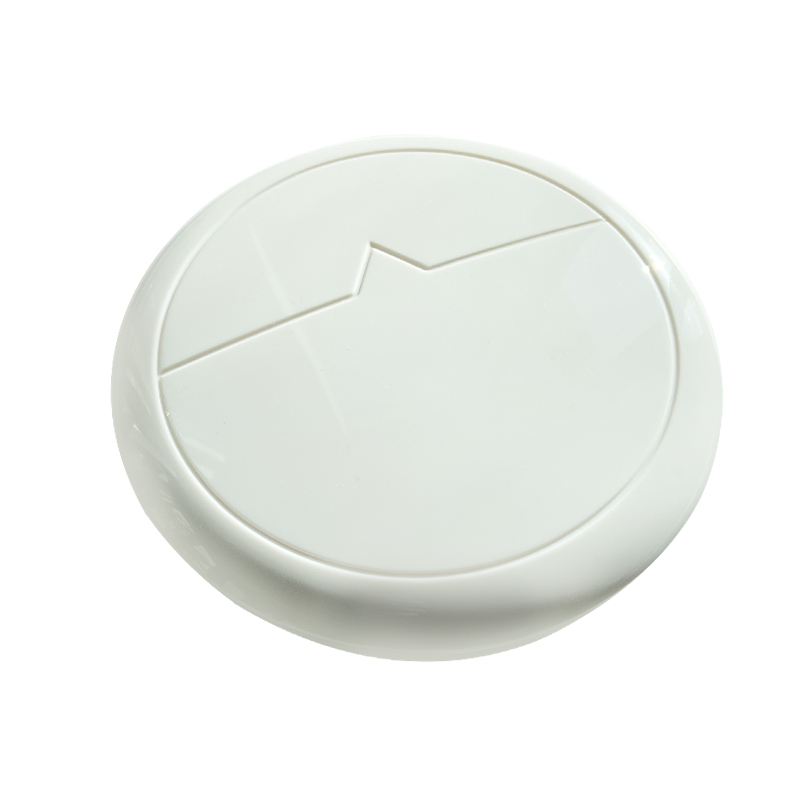
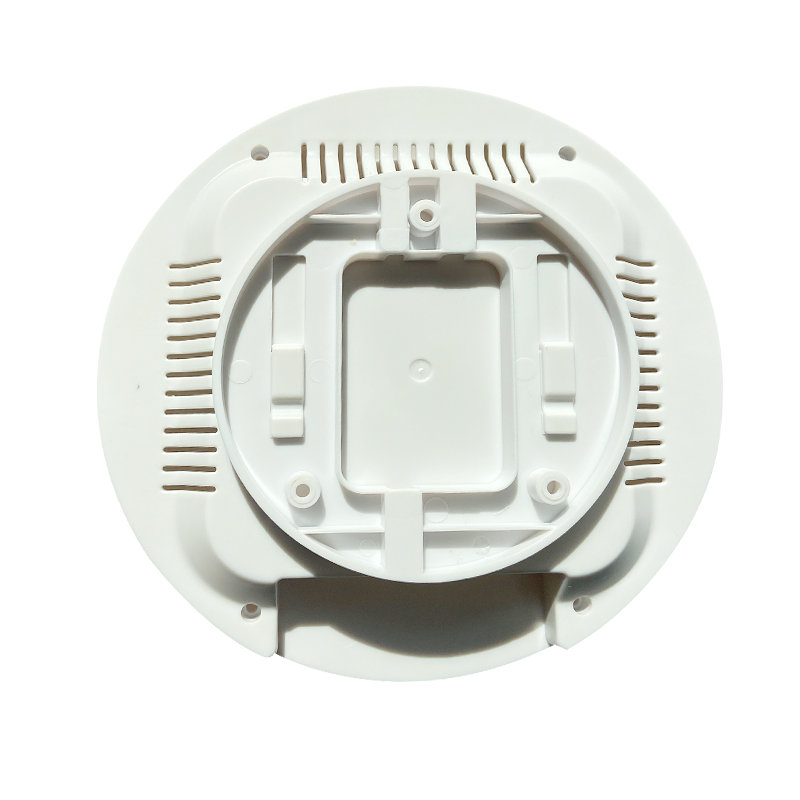
Frankstar Wave Sensor 2.0 is a mature solution engineered for continuous real-time ocean wave monitoring. Built upon nine-axis inertial acceleration technology and proprietary computing algorithms, it precisely calculates wave height, wave period, wave direction and wave spectrum. The sensor adopts lightweight high-strength resin enclosure with excellent heat resistance and ultra-low-power embedded processing. It supports real-time data transmission via RS232 serial interface and can be easily integrated into ocean buoys, drifting buoys and unmanned offshore platforms. Three configurable editions including Basic, Standard and Professional are available to satisfy diversified wave observation projects for marine research, coastal monitoring and offshore operations.
Key Features
Ultra-Low-Power Algorithm
Optimized by big-data algorithm, standby power consumption reaches only 0.08 W while maintaining stable and long-term reliable data output, ideal for power-limited autonomous buoy deployments.
One-Port Interface Design
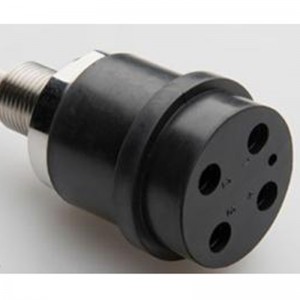
Single integrated connector replaces multiple separated interfaces, simplifying wiring and enabling faster, more convenient system integration for marine equipment.
High-Temperature Resistant Enclosure
Robust sealed housing can withstand ambient temperature up to 85 °C, ensuring stable operation under harsh coastal and offshore environments.
5-Minute Rapid Installation
Adopts spliced base with three-screw fixing structure. Tool-free quick installation and removal greatly reduces on-site deployment and maintenance time.
Technical Specifications
|
Housing Size |
Φ168 mm * 52 mm |
|
Weight |
325 g |
|
Power Supply & Consumption |
Supports 9-15 V DC, 12 V DC recommended |
|
Housing Material |
High-Strength Resin |
|
Measurement Range |
Wave Height: 0 m – 30 m |
|
Accuracy |
Wave Height: ± (0.1 + 5 % measured value) |
|
Resolution |
Wave Height: 0.01 m |
|
Output Wave Parameters |
1/3 Wave Height (significant wave height), 1/3 Wave Period (significant wave period), 1/10 Wave Height, 1/10 Wave Period, Mean Wave Height, Mean Wave Period, Max Wave Height, Max Wave Period, Wave Direction |
Version Comparison
|
Version |
Output Contents & Application |
|
Basic Version |
Outputs significant wave height and significant wave period. Suitable for basic sea state monitoring with cost priority. |
|
Standard Version |
Outputs significant wave height and period, 1/10 wave height and period, mean and maximum wave height and period, and wave direction. Meets most conventional marine monitoring requirements. |
|
Professional Version |
Includes all standard outputs plus full wave spectrum data. Designed for high-precision oceanographic research and advanced offshore observation projects. |
Application Scenarios
Frankstar Wave Sensor 2.0 is widely deployed in coastal monitoring buoys, offshore weather buoys, drifting buoy networks and unmanned marine platforms. Typical application fields cover coastal environmental monitoring, maritime safety early warning, offshore engineering surveys, university oceanographic research and ocean climate observation.
Ocean waves are constantly changing under the influence of wind, currents, tides, atmospheric conditions, and seabed characteristics. Understanding these changes is essential for oceanographic research, coastal monitoring, marine engineering, offshore operations, and environmental observation.
A reliable Wave Sensor provides the data needed to understand wave conditions, including important parameters such as wave height and wave period.
From research buoys and coastal observation stations to integrated ocean monitoring systems, wave sensors can provide continuous measurements that help researchers and marine professionals better understand the dynamic marine environment.
FrankStar develops wave monitoring equipment designed for practical marine observation, with a focus on compact installation, low power consumption, and efficient field deployment.
What Is a Wave Sensor?
A wave sensor is an instrument used to measure the movement and characteristics of surface waves.
Depending on the measurement technology, wave sensors can observe parameters such as:
Significant wave height
Wave period
Maximum wave height
Mean wave characteristics
Wave direction
Wave frequency or spectrum
Wave measurements can be collected from different platforms, including:
Oceanographic buoys
Fixed marine monitoring stations
Coastal observation platforms
Research vessels
Offshore structures
Integrated ocean monitoring systems
The collected data can then be used for oceanographic analysis, marine engineering, environmental assessment, and operational decision-making.
Why Is Wave Monitoring Important?
Wave conditions can change significantly over relatively short periods.
A sudden increase in wave height can affect vessel operations, coastal structures, offshore equipment, and marine survey activities. Long-term wave observations can also help researchers understand seasonal and regional ocean conditions.
Wave monitoring is therefore important for several areas.
Oceanographic Research
Wave observations help researchers study the interaction between wind, waves, currents, and other oceanographic processes.
Coastal Engineering
Reliable wave data is essential when designing and evaluating coastal structures such as:
Breakwaters
Seawalls
Jetties
Harbors
Offshore structures
Marine Operations
Wave conditions can influence the safety and efficiency of:
Vessel operations
Marine construction
Offshore maintenance
Oceanographic surveys
Aquaculture activities
Environmental Monitoring
Long-term wave observations can contribute to studies of coastal erosion, sediment transport, shoreline changes, and marine environmental dynamics.
What Parameters Can a Wave Sensor Measure?
A wave monitoring system may measure several different characteristics of the sea surface.
Wave Height
Wave height is one of the most important parameters in wave observation.
It describes the vertical difference between the crest and trough of a wave.
For marine monitoring applications, wave height information can be used to evaluate sea-state conditions and identify changes in wave energy.
Significant Wave Height
Significant wave height (Hs) is commonly used to describe the overall condition of a wave field.
It provides a statistical representation of the larger waves within an observed wave record and is widely used in oceanography and marine engineering.
Wave Period
Wave period describes the time interval between successive waves passing a reference point.
Wave period provides additional information about the characteristics and energy distribution of the observed wave field.
Combining wave height and wave period gives a more useful description of sea conditions than either parameter alone.
Wave Direction
For applications requiring directional wave information, a suitable wave monitoring system may also determine the direction from which waves approach.
Directional information can support:
Coastal engineering
Wave modeling
Sediment transport studies
Offshore engineering
Oceanographic research
How Does a Wave Sensor Work?
Different wave sensors use different measurement principles.
Depending on the instrument design, wave measurements may be obtained by detecting changes in:
Water surface elevation
Underwater pressure
Water particle motion
Acoustic signals
Motion of a floating platform
The measurement system collects a continuous time series and processes the data to determine wave characteristics.
A typical wave monitoring process can be summarized as:
Wave Motion → Sensor Measurement → Data Acquisition → Signal Processing → Wave Parameters
The processed data can then be stored locally or transmitted to a monitoring platform depending on the system configuration.
FrankStar Wave Sensor 2.0
FrankStar’s Wave Sensor 2.0 is designed for applications where compact size, low power consumption, and convenient deployment are important.
The sensor incorporates several features intended to simplify marine wave observation.
Ultra-Low Power Consumption
The Wave Sensor 2.0 has a power consumption of approximately 0.08 W.
Low power consumption is particularly valuable for autonomous marine monitoring systems where the available energy budget is limited.
This makes the sensor suitable for integration with:
Oceanographic buoys
Solar-powered monitoring platforms
Autonomous observation systems
Remote marine stations
Compact and Easy to Install
The compact design helps simplify installation and integration.
For field teams working with marine observation equipment, reducing installation time can make deployment and maintenance more efficient.
The Wave Sensor 2.0 is designed for approximately 5-minute installation, helping users quickly configure the sensor for field observation.
High-Temperature Resistance
The sensor is designed to operate in demanding environmental conditions, including marine environments where equipment may be exposed to elevated temperatures.
This makes environmental adaptability an important consideration for long-term deployments.
One-Port Design
The one-port configuration helps simplify system integration and installation.
It can be particularly useful when integrating the wave sensor into compact monitoring platforms where space and connection interfaces need to be carefully managed.
Applications of Wave Sensors
Oceanographic Buoys
Wave sensors are commonly integrated into oceanographic buoys to provide continuous information about surface wave conditions.
A buoy may combine wave measurement with:
Meteorological sensors
CTD sensors
Water-quality sensors
ADCPs
GNSS positioning
Satellite communication
This creates a multi-parameter ocean observation platform.
Coastal Monitoring
Wave sensors can be installed at coastal monitoring locations to observe changes in local wave conditions.
Long-term observations can support research into:
Coastal erosion
Sediment transport
Shoreline changes
Wave climate
Coastal hazards
Offshore Engineering
Wave conditions are important when designing and operating offshore structures.
Wave data can support engineering studies for:
Offshore platforms
Marine renewable energy systems
Subsea infrastructure
Offshore construction
Marine equipment deployment
Port and Harbor Monitoring
Wave conditions inside and around ports can affect navigation, vessel berthing, and port operations.
Wave sensors can provide site-specific data to support harbor planning and operational monitoring.
Marine Research
Research institutions can use wave sensors to collect field data for oceanographic studies, numerical model validation, and long-term observation programs.
Wave Sensor Integration with Other Marine Instruments
Wave data becomes even more valuable when combined with other oceanographic measurements.
For example:
Wave Sensor + CTD + ADCP
can provide information about:
Surface waves
Temperature
Salinity
Water depth
Current velocity
An integrated buoy can further combine:
Wave Sensor + Meteorological Sensor + Water-Quality Sensors + GNSS + Satellite Communication
This allows a single platform to collect multiple types of marine environmental data.
Such integrated observation systems are increasingly important for long-term and autonomous ocean monitoring.
Wave Sensor vs. Wave Monitoring Buoy
A wave sensor and a wave monitoring buoy are related but different components.
A wave sensor is the measurement device responsible for collecting wave-related data.
A wave monitoring buoy is the complete observation platform that may include the wave sensor together with power supply, data acquisition, communication, positioning, and other sensors.
In other words:
Wave Sensor = Measurement Component
Wave Monitoring Buoy = Complete Observation Platform
This distinction is important when designing an ocean monitoring system because the sensor needs to be compatible with the selected buoy, data acquisition system, power supply, and communication architecture.
What Should You Consider When Choosing a Wave Sensor?
Several factors should be considered before selecting a wave monitoring sensor.
Measurement Parameters
Determine whether the project requires wave height, wave period, wave direction, wave spectrum, or multiple wave parameters.
Power Consumption
For autonomous buoys and remote stations, low power consumption can significantly influence system operating time.
Installation
Consider the installation method, mounting structure, connection interface, and expected deployment time.
Environmental Conditions
The sensor should be appropriate for the expected temperature, salinity, wave conditions, and duration of underwater or marine exposure.
Data Interface
The sensor should be compatible with the data acquisition system used by the monitoring platform.
System Integration
If the project requires multi-parameter monitoring, the wave sensor should be capable of integration with other instruments such as CTDs, ADCPs, meteorological sensors, and water-quality sensors.
Why Choose FrankStar Wave Monitoring Equipment?
FrankStar Technology Group provides marine, oceanographic, hydrological, environmental, and meteorological monitoring equipment.
Our marine observation product range includes:
Wave Sensors
Tide & Wave Gauges
Oceanographic Buoys
Drifting Observation Buoys
CTD Systems
ADCP Current Profilers
Water-Quality Sensors
Meteorological Sensors
Radar Water-Level Systems
This product portfolio allows wave measurement to be integrated into larger marine observation systems according to specific project requirements.
The Wave Sensor 2.0, with approximately 0.08 W power consumption, compact design, high-temperature resistance, one-port configuration, and convenient installation, is particularly suitable for applications where low power consumption and easy integration are important.
Conclusion
A reliable Wave Sensor is an important component of modern ocean and coastal monitoring systems.
By measuring wave characteristics such as wave height and wave period, wave sensors provide essential information for oceanographic research, coastal engineering, marine operations, environmental monitoring, and offshore applications.
For autonomous and integrated observation systems, factors such as power consumption, installation, environmental resistance, data interface, and system compatibility should all be considered when selecting a wave sensor.
FrankStar’s Wave Sensor 2.0 is designed to support compact and efficient marine observation systems, while its low power consumption and convenient installation make it suitable for a wide range of ocean monitoring applications.
Looking for a wave sensor for your oceanographic or coastal monitoring project? Contact FrankStar to discuss your wave measurement requirements and system configuration.