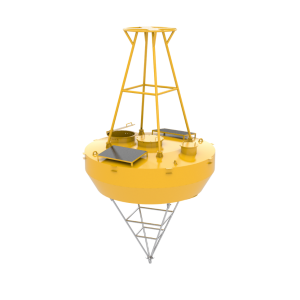
Wind Buoy for Offshore Wind and Marine Meteorological Monitoring
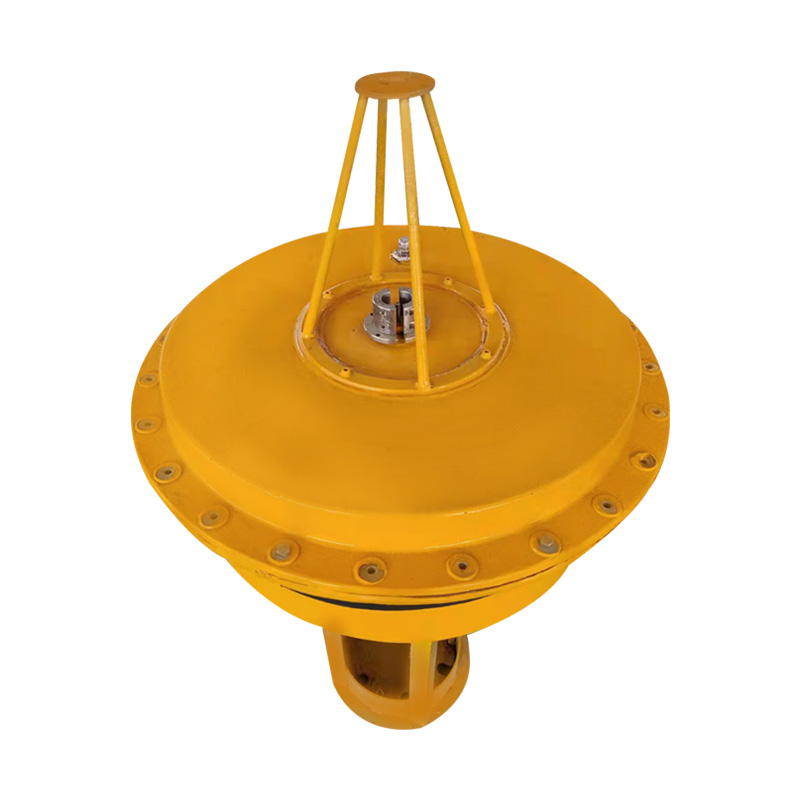
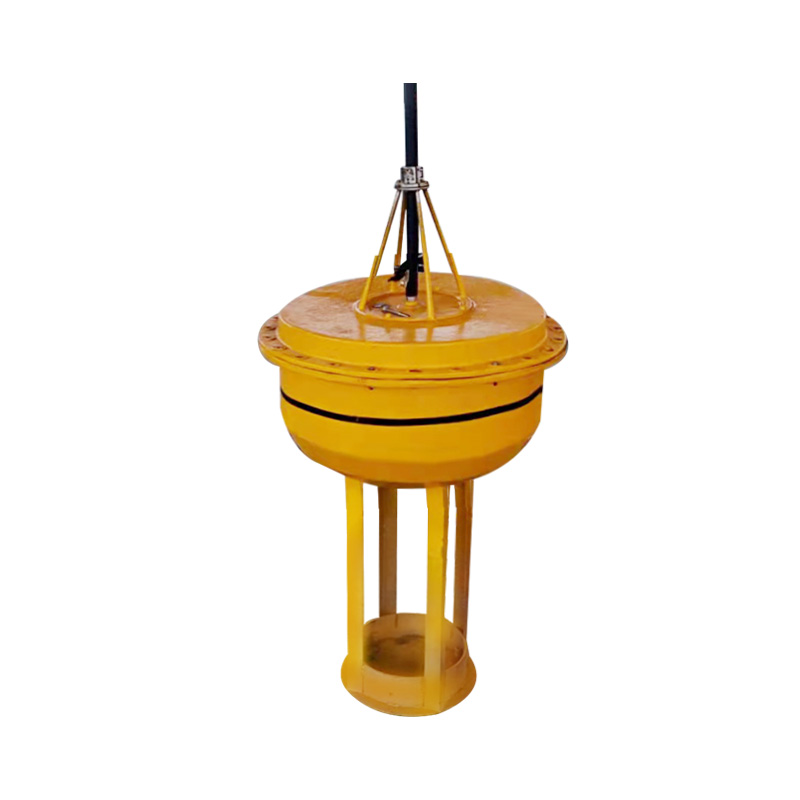
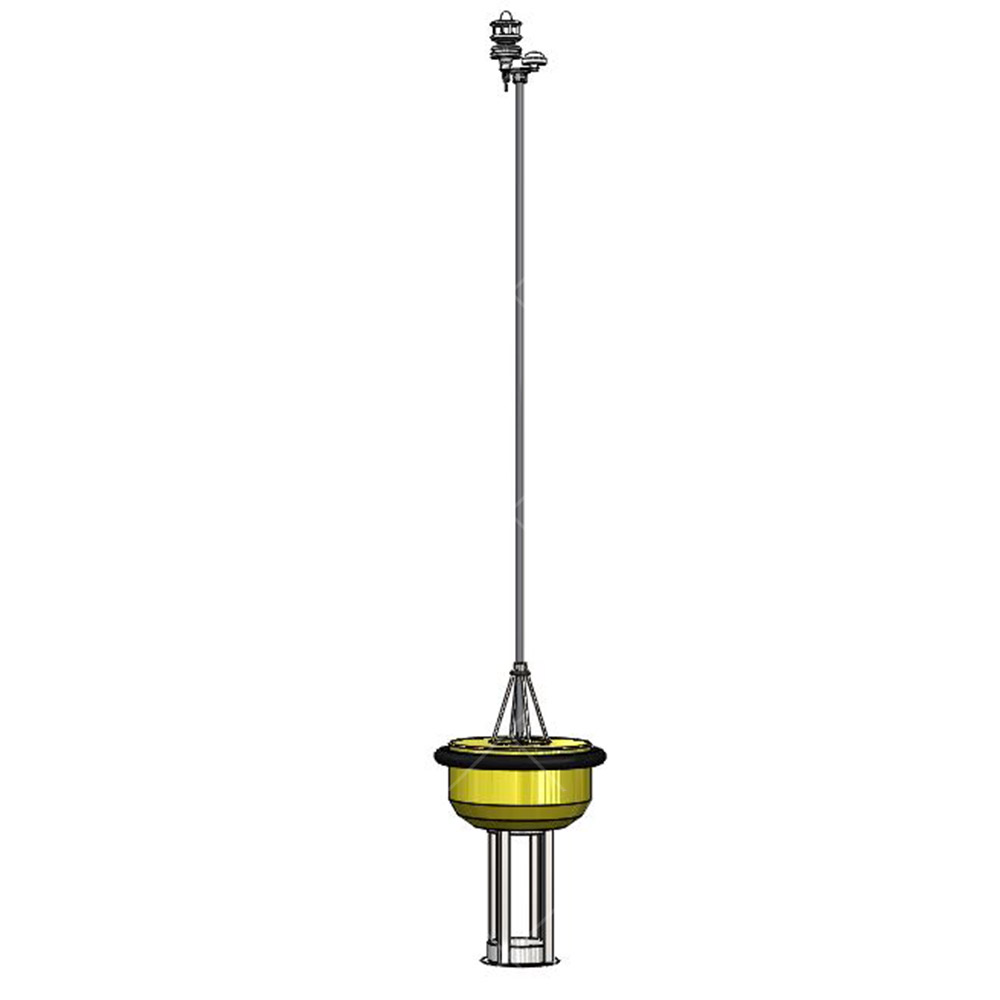

Wind Buoy for Offshore Wind and Marine Meteorological Monitoring,
,
1. Product Advantages
-
Comprehensive Air-Sea Observation: Equipped with an integrated aerodynamic mast and high-precision weather station for boundary layer meteorological monitoring.
-
Dual Deployment Mode: Seamlessly operates in both free-drifting ocean observation and fixed-station mooring configurations.
-
Multi-Channel Real-Time Telemetry: Reliable real-time data transmission via Satellite (Iridium/BDS), GSM/Cellular, and HF radio communications.
-
High-Precision Data Acquisition: Powered by multi-channel acquisition technology for accurate wave spectrum and wind dynamics measurement.
-
Stable Field Operation: Engineered for low power consumption and high structural stability to withstand harsh ocean conditions.
2. Production Process
-
Marine-Grade Hull & Mast Fabrication: High-strength, corrosion-resistant marine alloys and UV-stabilized polymers molded to endure hydro-dynamic forces and marine weathering.
-
Electronics & Meteorological Assembly: Integration of industrial low-power microprocessors, weather station sensors, wave modules, and multi-channel telemetry systems.
-
Sealing & Waterproofing: IP68 hermetic potting, double-O-ring seals, and precision cable penetration shielding.
-
Sensor Calibration: Multi-parameter calibration against national oceanographic and meteorological standards prior to assembly.
3. Quality Inspection
-
Hydrostatic Pressure & Waterproof Test: Submerged chamber pressure testing to ensure hull and compartment seal integrity under ocean conditions.
-
Communication & GPS Verification: Comprehensive telemetry testing across Satellite, GSM, and HF frequency links to guarantee unbroken transmission.
-
Thermal & Environmental Testing: Operational stability testing under severe sea state vibrations and temperature extremes (-20°C to +60°C).
-
Pre-Shipment Functional Burn-In: 72-hour continuous data acquisition and power management burn-in test.
4. Product Parameters & Monitored Data
| Parameter Category | Monitored Parameters PDF |
| Meteorological |
• Wind Speed • Wind Direction • Air Temperature • Humidity • Barometric Pressure • Integrated Weather Station |
| Oceanographic |
• Wave Height • Wave Period • Wave Direction • Wave Spectrum • Current Speed • Current Direction |
| Environmental |
• Water Temperature • Salinity / Conductivity |
| Additional Options |
• Nuclear Radiation • Underwater Acoustic • Hydrocarbon Sensing |
5. Product Model
-
Model Name: Drifting Wind Monitor Buoy / Drifting Wind Data Buoy
-
Deployment Type: Drifting / Mooring Dual-Mode
6. Packaging & Transportation
-
Packaging: Heavy-duty, shock-resistant customized wooden crate (or flight case) lined with high-density die-cut EVA protective foam to safeguard the aerodynamic mast and sensors during transit.
-
Transportation & Logistics: Flexible air freight, sea container, or land transport. Includes UN38.3 hazardous goods certification for internal lithium battery packs.
7. Product Purpose
The primary purpose of the Drifting Wind Data Buoy is to deliver continuous, real-time air-sea interaction monitoring, accurate wind profiling, and hydrodynamic data collection across open oceans, coastal waters, and remote marine environments to support marine safety and scientific research.
8. Product Applications
-
Marine Meteorology, Weather Forecasting & Climatology Studies
-
Directional Wave & Current Measurement
-
Offshore Renewable Energy & Wind/Wave Energy Studies
-
Scientific Research & Drifting Ocean Observation
-
Port & Maritime Traffic Monitoring & Safety Control
-
Offshore Design, Operations & Deep Water Monitoring
-
Oil & Gas Environmental Monitoring
-
Coastal Engineering & Infrastructure Monitoring
“Data is for reference only; actual conditions shall prevail.”
Wind is one of the most important environmental factors affecting marine operations, ocean circulation, wave development, offshore engineering, and coastal weather conditions.
Reliable wind observations over the ocean are essential for offshore wind resource assessment, marine meteorological research, environmental monitoring, and operational planning. However, obtaining continuous measurements at sea can be challenging because observation sites may be far from shore and exposed to changing weather and marine conditions.
A Wind Buoy provides a floating platform for collecting wind and other meteorological data in marine environments. Depending on its configuration, the system can support wind speed and direction measurement alongside additional atmospheric and oceanographic observations.
The FrankStar Wind Buoy can be considered for offshore meteorological monitoring, oceanographic research, and integrated marine observation projects where reliable field data are required.
What Is a Wind Buoy?
A wind buoy is a floating observation platform designed to measure wind conditions over water.
Unlike a land-based weather station, a wind buoy operates in a marine environment and can be deployed at offshore, coastal, or other suitable water locations.
Depending on the selected configuration, a wind buoy may integrate:
Wind speed sensors
Wind direction sensors
Air temperature sensors
Relative humidity sensors
Atmospheric pressure sensors
Rainfall sensors
Data acquisition systems
Remote communication equipment
Power supply systems
Buoy positioning and mooring components
The actual sensor package depends on the monitoring objectives and the buoy configuration.
By collecting meteorological observations directly over water, wind buoys can provide data from locations where land-based weather stations cannot adequately represent offshore conditions.
How Does a Wind Buoy Work?
A wind buoy combines a floating platform with meteorological sensors, a data acquisition system, and a suitable power supply.
A typical monitoring workflow includes the following stages.
Step 1: Deploy the Buoy
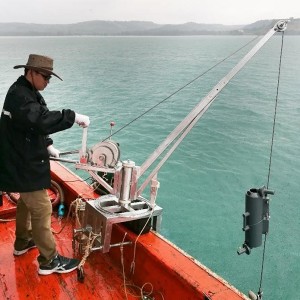
The buoy is installed at the selected observation site using an appropriate mooring or deployment arrangement.
Step 2: Measure Wind Conditions
The wind sensor measures atmospheric airflow and provides wind-related readings according to its measurement principle.
Step 3: Collect Meteorological Data
Additional sensors can collect air temperature, relative humidity, atmospheric pressure, rainfall, or other parameters if included in the system.
Step 4: Record and Transmit Data
A data acquisition system records the observations. Depending on the configuration, data may be stored locally, transmitted remotely, or managed through a combination of both methods.
Step 5: Analyze Offshore Conditions
The collected data can be used to investigate wind variability, characterize marine weather, and support offshore environmental studies.
What Can a Wind Buoy Measure?
1. Wind Speed
Wind speed describes how fast air moves past the measurement location.
Wind speed data are important for:
Offshore wind resource assessment
Marine weather monitoring
Offshore engineering
Wind-wave interaction research
Marine operational planning
Long-term observations can help researchers understand how wind conditions vary over time.
2. Wind Direction
Wind direction indicates the direction from which the wind blows.
When analyzed together with wind speed, it helps characterize prevailing wind patterns, directional changes, and local meteorological conditions.
Wind direction data can support offshore wind studies, marine weather analysis, and environmental modeling.
3. Air Temperature
An optional air temperature sensor can record changes in the temperature of the surrounding atmosphere.
These measurements can complement wind observations and help characterize offshore weather conditions.
4. Relative Humidity
Relative humidity describes the amount of water vapor in the air relative to the maximum amount the air can hold at the same temperature.
When included, humidity measurements can contribute to marine meteorological datasets and environmental analysis.
5. Atmospheric Pressure
Atmospheric pressure observations can help researchers analyze weather changes and their relationship with wind conditions.
Pressure data are particularly useful when combined with wind speed, wind direction, and other meteorological measurements.
6. Additional Environmental Parameters
Depending on the configuration, a wind buoy may also integrate rainfall sensors and selected oceanographic instruments.
For example, wave sensors, water-temperature sensors, or water-quality sensors may be considered where the buoy design and project requirements permit.
Key Applications of Wind Buoys
Offshore Wind Resource Assessment
Offshore wind projects require reliable information about wind conditions at the intended development site.
Wind buoys can contribute to offshore measurement campaigns by collecting wind observations over water.
These data may support:
Preliminary wind resource investigations
Offshore meteorological surveys
Wind variability analysis
Environmental data collection
Comparison with numerical models and other measurement sources
The suitability of a buoy for formal wind resource assessment depends on the sensor specifications, mounting arrangement, calibration, measurement height, and applicable project standards.
Marine Meteorological Monitoring
Wind buoys can provide weather observations from offshore locations where fixed land-based stations are not representative.
Applications include marine weather research, offshore environmental monitoring, and the study of meteorological conditions over coastal waters.
Oceanographic Research
Wind influences surface waves, upper-ocean circulation, and air-sea interactions.
When wind measurements are combined with wave, current, and water-temperature observations, researchers can investigate relationships between atmospheric forcing and ocean responses.
Offshore Engineering
Offshore construction and marine engineering projects must account for environmental conditions that influence equipment operation and work planning.
Wind data can contribute to site characterization, environmental assessment, and analysis of local offshore conditions.
Coastal and Harbor Monitoring
Wind observations can complement coastal weather stations and other marine monitoring instruments.
They can help users characterize wind conditions around ports, harbors, coastal infrastructure, and nearshore observation sites.
Environmental Monitoring
Meteorological observations can be combined with water-quality and oceanographic data to support broader environmental studies.
For example, wind conditions may be analyzed alongside surface-current and wave measurements to investigate the movement and distribution of materials in the marine environment.